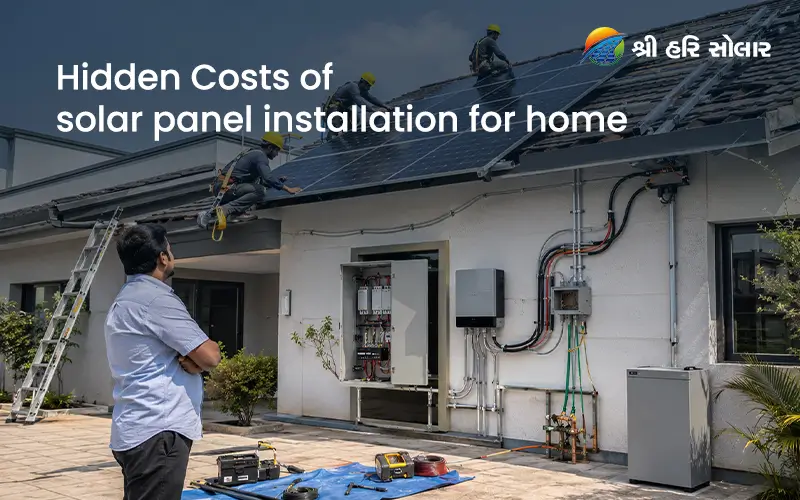
The hidden costs of solar panel installation usually do not come from one big unexpected charge. More often, they come from small things that were not discussed clearly at the quotation stage.
A 3 kW or 5 kW system may look simple on paper, but every home is different. Roof condition, panel height, cable distance, electrical setup, and net metering can all affect the final amount.
So, if you are comparing the cost of solar panel installation for your home, do not stop at the total price. Look at what is actually included in that price.
What Is Included in a Solar Panel Installation Quote?
Most residential solar quotations cover the main equipment and standard installation work, such as:
- Solar panels and inverter
- Mounting structure
- AC and DC cables
- Basic protection equipment
- Installation labour
- Testing and commissioning
The word “standard” can mean different things from one installer to another. One quote may cover the full cable route, while another may include only a fixed length. The same can happen with structure height, earthing, civil work, and net-metering support.
A proper solar installation quotation should make these details clear before the project starts.
Why Are Some Solar Installation Costs Not Mentioned Initially?
Some requirements only become clear after the installer visits the property.
A water tank may create shade over the planned panel area. The inverter may need to be installed farther away than expected. The roof may have old waterproofing or cracks that need attention before any structure is fixed.
These are usually site-specific requirements. A proper survey during the rooftop solar installation process helps identify them before the final price is agreed.
Hidden Costs of Solar Panel Installation for Home
Roof Modification and Structural Upgrade Costs
If the roof already has leakage, cracks, or weak sections, solar installation should not simply be done over it.
Waterproofing, minor civil repair, or structural reinforcement may be needed first. This work is often separate from the normal rooftop solar installation cost unless it has already been included in the proposal.
On an older terrace, this can make a noticeable difference to the final budget.
Elevated Structure for Shadow or Terrace Use
A normal low-height structure works for many homes, but not all.
Panels may need to be raised above a parapet or water tank to reduce shading. In some homes, the owner may also want enough height to continue using the terrace below.
A taller structure means more steel, fabrication, and installation work, so it can cost more than a basic structure.
Extra Cable and Wiring Charges
Cable cost depends heavily on where the panels, inverter, and electricity meter are located.
If the inverter is on another floor or the meter is far from the solar array, the cable route can become much longer than expected.
Apart from length, cable quality also matters. Proper solar-grade DC cable should be used for solar circuits rather than treating it like ordinary household wiring.
Electrical Safety Equipment Upgrades
A rooftop solar system needs proper electrical protection around the inverter and distribution side.
Depending on the design, this can include ACDB, DCDB, breakers, surge protection, and related safety devices. Older homes may also need changes to the existing electrical panel before the solar system is connected.
If this work is outside the original scope, it becomes an extra cost of solar panel installation rather than part of the base system price.
Earthing and Lightning Protection Costs
Earthing is often mentioned in quotations, but the detail may be limited.
It is worth knowing what earthing arrangement is actually being provided and whether the site needs additional lightning protection.
This can explain why two quotations with similar system capacity may still offer a different electrical safety scope.
Net Metering and DISCOM Approval Charges
For an on-grid system, the work does not finish when the panels are installed.
The project still has to follow the applicable solar net metering process and local DISCOM requirements. Depending on the utility, there may be documentation, testing, meter-related work, or administrative charges.
For properties under DGVCL, current DGVCL solar application fees and solar net metering charges should be checked during the actual application process rather than using an old figure from another project or website.
It is also useful to know whether the installer handles the process fully or only assists with the paperwork.
Premium Equipment and Optional Upgrades
Some extra costs are simply upgrades.
A homeowner may choose a premium inverter, a different module model, advanced monitoring, or battery backup. These are optional choices rather than true hidden charges.
They should be shown separately so the base system price stays easy to compare.
Solar Installation Cost Breakdown: What Should Your Quote Include?
You do not need a quotation full of technical jargon. You do need enough detail to understand what you are paying for.
| Check Before Approving | Why It Matters |
|---|---|
| Structure height | Extra elevation can increase cost |
| Cable allowance | Longer routes may cost extra |
| Civil work | Roof repair may be excluded |
| Electrical protection | Check ACDB, DCDB and safety scope |
| Net metering | Confirm responsibility and charges |
| Warranty & support | Know what support is included |
A simple solar installation cost breakdown like this is more useful than comparing two offers only by price per kW. It can also help identify hidden charges in a solar quotation before work starts.
What Costs Can Come After Solar Installation?
Cleaning and Maintenance Costs
Solar panels do not need heavy maintenance, but they do need cleaning from time to time.
For an open terrace with easy access, this may be simple enough to manage at home. In dusty areas or on difficult roofs, some homeowners prefer paid cleaning support.
Solar Inverter Service or Replacement Cost
The inverter is one part of the system that may need servicing during the life of the project.
There is no fixed solar inverter replacement cost for every home. It depends on inverter capacity, type, brand, warranty, and the price of equipment at the time service or replacement is needed.
Long-Term Monitoring and Minor Repair Costs
Small issues can appear over the years. A connector may fail, a cable may need attention, or a monitoring device may stop communicating properly.
These are usually not major expenses, but good workmanship and after-sales support can make them easier to deal with.
Common Mistakes to Avoid Before Installing Solar Panels
Many solar installation mistakes to avoid happen while comparing quotations, not during the actual installation.
A few common mistakes are:
- Choosing only the lowest ₹/kW quote
- Comparing system size without comparing equipment quality
- Ignoring warranty terms
- Not asking about after-sales service
- Focusing only on price instead of the full project scope
These are practical things to check before installing solar panels because a lower quote is not always a better quote.
How to Avoid Hidden Solar Installation Costs?
Start with a proper site survey and ask for a written final quotation based on the actual property.
If the survey changes the structure, cable route, civil work, or electrical requirements, ask for the revised price before installation begins. Optional upgrades should remain separate from the base system cost.
When deciding how to choose a solar installer, price matters, but so do equipment quality, workmanship, warranty, and how clearly the company explains the scope.
At Shree Hari Solar, site requirements can be reviewed before the installation scope is finalized, helping homeowners understand the project more clearly from the beginning.
Is Solar Still Worth Installing Despite These Costs?
Yes. Most unexpected solar installation costs can be identified before work begins when the property is surveyed properly.
Extra structure, cable, or electrical work does not make rooftop solar a poor investment. It simply needs to be included in the real project budget.
If you are comparing solar panel installation costs in India in 2026, look beyond the advertised price per kW and compare the complete installation scope.
Conclusion
The hidden costs of solar panel installation for homes are easier to manage when the site is inspected properly, and the quotation clearly states what is included. Before choosing rooftop solar, compare the complete installation scope rather than only the headline price. Shree Hari Solar can help homeowners understand the site and installation requirements before the project is finalized.
FAQs
What should I check before installing solar panels at home?
Look at the site survey, equipment specifications, structure design, installation scope, exclusions, warranty, and net-metering responsibility.
Does solar installation cost include net metering?
Not in every quotation. Some installers include net-metering assistance, while certain utility-related charges may be separate.
Why do solar quotes differ between companies?
The difference can come from equipment brands, mounting structure, cable quality, protection equipment, installation scope, warranty, and service support.
Is maintenance expensive after installing solar panels?
Usually not. Cleaning is the main routine requirement, although inverter servicing or minor electrical repairs may add some cost over time.
Does solar subsidy cover every installation expense?
No. Subsidy depends on the applicable scheme and eligibility conditions. Civil work, optional upgrades, and other site-specific expenses may remain outside the subsidy.