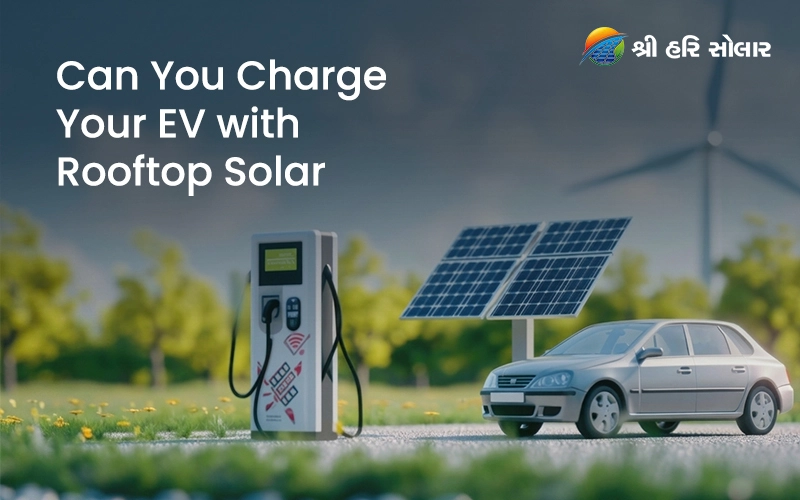
Electric vehicles (EVs) are becoming more popular because they reduce fuel costs and support a cleaner environment. At the same time, more homeowners are opting for rooftop solar to generate their own electricity. This raises a common question: Can you charge your EV with rooftop solar?
The answer is yes. Many homeowners are already using solar energy to power their homes and electric vehicles. By generating clean electricity during the day, you can lessen your reliance on the grid and decrease your monthly electricity bills. If you plan to buy an EV or already have one, understanding how solar charging works can help you make a better investment.
In this guide, you’ll learn if you can charge your EV with rooftop solar, how the system functions, how many panels you might need, and whether your current solar setup is sufficient for EV charging.
How EV Charging with Rooftop Solar Works
Many people ask if you can charge your EV with rooftop solar without using electricity from the grid. The answer depends on how much solar power your system generates and when you charge your vehicle.
A rooftop solar system turns sunlight into electricity through solar panels. This electricity first powers your home’s appliances. Any extra electricity can then be used for EV charging by connecting your electric vehicle to a compatible home charger.
If your EV charges with solar during the day, your vehicle can use the electricity generated by your solar panels. If you charge your EV at night, the electricity will typically come from the grid unless your solar system has a battery storage solution that holds extra solar energy produced during the day.
Benefits of Charging Your EV with Solar Energy
There are many reasons to charge your EV with rooftop solar, and most of them involve your wallet and the planet. Here are the top benefits:
- Massive Cost Reductions: When you charge electric car with solar panels, you are essentially locking in your fuel price for the next 25 years. While gas and utility rates go up, the sun stays free. This significantly lowers the rooftop solar cost over the long term.
- True Zero-Emission Driving: Most grid power still comes from coal or gas. By using your own rooftop solar for electric vehicles, you ensure your car is truly running on 100% clean energy.
- Energy Independence & Price Stability: You no longer have to worry about global oil prices or utility hikes. You produce your own fuel right where you live.
- Net Metering Advantages: In many places, if you produce extra solar power during the day, you can send it back to the grid for credits. You can then use those credits to charge your car at night for free.
- Smart Charging Optimizations: Modern systems allow you to schedule your charging for when the sun is brightest, making the whole process even more efficient.
How Many Solar Panels Do You Need to Charge an EV?
You might be wondering how many solar panels to charge an EV for your daily commute. On average, a typical electric car needs about 30 units of electricity to travel 100 miles. A single high-quality solar panel might produce about 1.5 to 2 units of power on a sunny day. If you drive about 30 miles a day, you might need about 5 to 7 extra panels just to cover the car’s energy needs.
To charge your EV with rooftop solar without running out of power, you have to look at your driving habits. If you drive a lot, you will need a bigger solar panels for EV charging system. If you only use your car for short trips, a smaller setup will work fine. It is always better to add a few extra panels just in case you have a week of cloudy weather or decide to take a long road trip.
Can Existing Rooftop Solar Systems Support EV Charging?
Many people already have solar panels and later decide to buy an electric car. You can usually charge your EV with rooftop solar using your current setup, but there are things to check.
First, is your current system producing extra power? If your panels were only sized to cover your lights and fridge, you might not have enough left over for a car.
Adding an EV and rooftop solar system together is easiest, but adding to an old system is possible. You might need to install a few more panels or upgrade your inverter to a “smart” version that handles car charging better. It is important to have a professional look at your electrical panel to make sure it can handle the extra load of a fast charger.
Solar Battery Storage vs Direct EV Charging
One big choice is whether to charge directly or use a battery. Charging directly means plugging your car in while the sun is shining. This is the most efficient way to charge your EV with rooftop solar because no energy is lost in storage. However, many people are at work during the day.
This is where a home battery becomes helpful. The battery stores the sun’s energy all day, and then you use it to charge your car at night. While a battery adds to the initial cost, it provides the freedom to charge whenever you want. Without a battery, you might have to rely on the grid at night, which might cost more unless you have a good net metering plan.
Factors to Consider Before Charging an EV with Solar
Before you jump in, keep these points in mind to ensure your system works perfectly:
- Roof Space: You need enough clear, south-facing roof space to fit the extra panels required for the car.
- Solar Panel Efficiency: Higher efficiency panels take up less space, which is great if your roof is small.
- EV Charger Compatibility: Make sure your car charger can communicate with your solar inverter for the best results.
- Local Net Metering Policies: Check if your utility company pays you for extra power, as this changes how you should use your system.
- Weather and Seasonal Variations: Remember that panels produce less in winter. You need a system that accounts for these changes to charge your EV with rooftop solar year-round.
Common Challenges and Solutions
The biggest challenge is often the timing of the sun. Most people want to charge at night, but the sun shines during the day. As mentioned, the solution is either a home battery or using net metering credits. Another challenge is the upfront cost. While the panels pay for themselves over time, the starting price can be high. Thankfully, many government tax credits and rebates make it much more affordable to start using clean rooftop solar today.
Sometimes, a roof might be shaded by trees. In this case, using micro-inverters can help. These allow each panel to work independently, so if one is in the shade, the others still produce full power. There is almost always a solution for every home if you work with the right experts.
Is Charging an EV with Rooftop Solar Worth It?
If you plan on staying in your home and driving an electric car, the answer is a definite yes. To charge your EV with rooftop solar is one of the best ways to protect yourself from inflation. Gasoline prices are unpredictable, and utility rates usually go up every year. By making your own power, you stay safe from those costs.
Over the life of the system, you could save tens of thousands of dollars. Plus, it adds value to your home. Buyers today love seeing a house that comes with its own energy source. When you look at the total savings, the system usually pays for itself in just a few years, leaving you with decades of nearly free driving.
Conclusion
Switching to an electric vehicle is a great choice, but pairing it with solar is even better. It allows you to truly drive on sunshine. Whether you are looking to save money, help the planet, or just be more independent, the combination is hard to beat.
If you’re ready to explore your options, now is the perfect time to learn about the latest solar technology and available local incentives. Shree Hari Solar can help you choose the right solution for your home. Contact Shree Hari Solar now!
FAQs
Can a home solar system fully charge an EV?
Yes, a home solar system can fully charge an EV. You just need to make sure your solar array is large enough to cover both your home’s needs and the car’s energy use. Most people add a few extra panels specifically for their vehicle.
How long does it take to charge an EV using solar panels?
The time depends on your charger. A Level 2 charger can usually fill an EV battery in 4 to 8 hours using solar power. If you use a standard wall plug, it could take over 20 hours.
Do I need a battery to charge my EV with solar?
You do not strictly need a battery if you charge your car during the day while the sun is out. However, if you want to charge your car at night using solar energy, you will need a home battery system to store that power.
Can I charge my EV on cloudy days?
Yes, you can still charge on cloudy days, but the panels will produce less power. Your system will likely pull the extra energy needed from the local power grid to ensure your car gets a full charge.
What size solar system is needed for an electric car?
For an average driver, a 2kW to 4kW addition to your existing solar system is usually enough to cover an EV. This typically means adding about 5 to 10 panels to your roof.