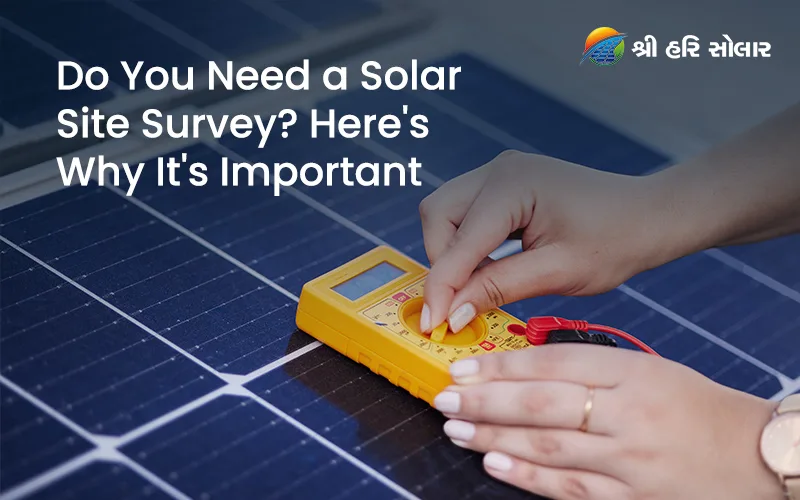
The solar site survey is one of the most important components of installing a solar system. It helps check whether your roof or property is suitable for solar panels. During the survey, the installer assesses the available space, sunlight, roof condition, shading, and other factors that can affect the system’s performance. A proper site survey helps plan the right solar solution and reduces the chance of problems during installation
Understanding the importance of a solar site survey can help you make a better decision before investing in solar.
What is a Solar Site Survey?
A solar site survey is an on-site inspection carried out by a professional solar technician before designing or installing the system. During the survey, the property is carefully assessed to determine whether it is suitable for solar installation and to collect the information needed for accurate system planning.
The solar site survey serves two main functions:
- Provides accurate system planning and quotations by assessing the roof, available installation space, electrical setup, and site conditions.
- It helps determine how to optimize solar energy production through correct placement of the solar panels and understanding the shading conditions.
What Exactly Gets Checked During a Solar Site Survey?
Structural & Roof Assessment
The expert will first look at your roof to see if it can handle the weight of the panels. Solar panels are heavy, and they stay there for a long time. The surveyor checks the age of your roof and the material it is made of. If your roof is weak or old, it might need repairs before the panels go up. This part of the solar site assessment checklist for residential is vital because a strong base keeps your home safe.
During this time, they also look for any signs of leaks or cracks. It is much cheaper to fix a small roof issue now than to take all the panels down later to fix a leak. They also check the solar panel warranty terms to see if the roof condition meets the requirements for a long-term guarantee.
3D Shadow & Orientation Analysis
Not all parts of a roof get the same amount of sun. The surveyor uses special tools to see where shadows fall throughout the day. Trees, nearby buildings, or even your own chimney can cast shadows that block the sun. If a panel is in the shade for half the day, it won’t make much electricity.
They also check which way your roof faces. In India, south-facing roofs usually get the most sunlight. By doing a 3D analysis, the team can place the panels in the exact spot where they will catch the most rays. This ensures you get the most out of your investment.
Electrical Infrastructure Audit
Your home has a complex system of wires, breakers, and a main meter. A Solar Site Survey includes a look at your current electrical setup. The surveyor needs to see if your old wiring can handle the new power coming from the solar panels. Sometimes, the main electrical panel needs an upgrade to stay safe.
This audit also looks at where the inverter will be placed. The inverter is the brain of the system that turns sun power into electricity for your lights and fans. Placing it in a cool, dry spot is important for it to last a long time.
Safety and compliance checks
Every city has its own rules for solar power. The surveyor makes sure your setup follows all the local building codes and fire safety laws. They check things like clear pathways for firefighters and proper grounding for the wires. These checks keep your family safe and make sure the government approves your system.
Top Reasons Why Skipping a Site Survey is a Costly Mistake
The Guesswork Penalty (Inaccurate System Sizing)
If you guess how many panels you need, you will likely get it wrong. You might buy too many panels and waste money, or too few and still have high power bills. A Proper Site Survey tells you exactly how much energy your roof can produce so you only buy what you actually need.
Significant Drop in Energy Generation
A site survey looks at things like the direction of the roof, its tilt, any shading, and the amount of sunlight available. The solar panels could produce less electricity than expected if these factors are not properly evaluated.
Net Metering Rejections
Net metering allows you to send extra power back to the grid and get credit for it. However, the electricity department has strict rules. If your system is not designed correctly based on a survey, they might reject your application. This would mean you lose out on the biggest benefit of going solar.
Hidden Component Costs
If a team shows up to install panels without seeing your house first, they might find surprises. They might realize they need extra-long wires or special mounting brackets. These “hidden costs” can add thousands of rupees to your bill at the last minute. A survey helps give you a fixed, honest price from the start.
Risk of Roof Damage and Safety Issues
Installing panels on a roof that isn’t ready can cause the roof to sag or leak. Also, bad electrical planning can lead to short circuits. A professional survey identifies these risks early so they can be fixed before any work starts.
Virtual/Remote Survey vs. Physical Site Survey: Comparison
| Feature | Virtual/Remote Survey | Physical Site Survey |
|---|---|---|
| Roof Measurement | Estimated | Accurate |
| Shadow Analysis | Limited | Detailed |
| Roof Condition Check | Not Possible | Complete Inspection |
| Electrical Inspection | Limited | Full Assessment |
| Safety Evaluation | Not Available | Complete |
| Installation Planning | Basic | Highly Accurate |
| Cost Estimation | Approximate | More Reliable |
| Best For | Initial Discussion | Final Installation Planning |
A virtual survey is useful for early estimates, but a physical inspection provides the information needed for a successful project.
How a Site Survey Protects Your PM Surya Ghar Subsidy
The Indian government provides a subsidy under the PM Surya Ghar scheme to help people afford solar. However, to get this money, your installation must follow very specific rules.
A professional solar panel installation in Surat requires a survey to prove that the system is installed correctly. If the surveyor finds that your site doesn’t meet the government standards, they can fix the plan before you apply, ensuring your subsidy money arrives safely in your bank account.
Tips for Homeowners Preparing for a Solar Survey
Keep Your Bills Ready
The surveyor needs to know how much electricity you use. Have your power bills from the last 12 months ready. This helps them see your usage patterns during summer, winter, and monsoon seasons so they can size your system perfectly.
Declare Future Loads
Are you planning to buy an Electric Vehicle (EV) soon? Or maybe you want to add two more air conditioners next year? Tell the surveyor. They can design a system that handles your current needs and your plans, so you don’t have to upgrade again later.
Clear Roof Access and Important Documents
Make sure the path to your roof is clear. The surveyor will need to walk around and take measurements. Also, keep your property tax receipts or house papers handy. These are often needed to check the legality of the structure before the free roof survey in Surat is completed.
Why Shree Hari Solar Insists on Detailed Site Surveys
A site survey gives a clear picture of the physical characteristics of the property before installation of a solar system. Shree Hari Solar gives importance to proper assessment of the site because the requirements of different locations vary, and any planning must be accurate for the successful installation of a solar system.
A site survey includes assessment of factors like roof condition, physical space available for installation, sunlight availability, electric connections, and installation conditions. Thus, the information acquired helps in the design of a solar system that fits the clients’ needs.
A proper survey helps to:
- Choose the right size of the solar system based on how much electricity is consumed and how much available space exists.
- Check whether the roof structure is suitable for solar panel installation.
- Plan the installation process safely and correctly.
- Identify possible shading issues that can affect power generation.
- Understand electrical requirements before installation.
- Prepare an accurate project quotation without unexpected changes.
Conclusion
A Solar Site Survey is not just an extra step; it is the foundation of a successful solar project. It protects your roof, secures your savings, and ensures you get your government subsidy without any trouble. By taking the time to have a professional check your home, you are choosing peace of mind.
If you are ready to stop paying high bills, start with a proper assessment and enjoy the benefits of the sun with confidence.
FAQs
How long does a solar site survey usually take?
A typical survey takes between 45 minutes and 90 minutes. It depends on the size of your roof and how complex your electrical system is.
Do I need to be home during the survey?
Yes, it is best if you are home. The surveyor will need to see your internal electrical panel and discuss your energy bills and future power needs with you.
Is a solar site survey free?
Many reputable installers, like Shree Hari Solar, offer a free roof survey in Surat to help homeowners understand their options without any upfront cost.
What happens if my roof is not suitable for solar?
If the survey shows your roof is weak or too shaded, the expert will give you suggestions. This might include trimming tree branches or doing minor roof repairs before installation.
Can a survey be done on a rainy day?
It is safer and more accurate to do surveys on a clear day. Climbing on a wet roof is dangerous, and shadow analysis is harder without direct sunlight.