Finding reliable Solar Installation Services can lead to energy cost savings and adoption of renewable forms of energy. In Surat, many homes and businesses are now using solar power because it is simple, safe, and good for the environment. Shree Hari Solar is an experienced and reputable solar company in Surat. Being an EPC provider for solar installations, the company performs both planning and building. With simple and helpful solar solutions, everyone can gain access to solar energy and lower his/her electric bills.
Why Choose Solar Installation Services in Surat?
Choosing solar panel installation services in Surat is a smart and simple way to save money and help the environment. Surat gets a lot of sunlight during the year, which makes it a great place to use solar energy.
Here are some easy reasons why solar is a good choice:
- Save money on electricity bills – Solar power helps you use less electricity from the grid.
- Low maintenance – Solar systems don’t need much care after installation.
- Government support – You may get subsidies or benefits from the government.
- Good for the environment – Solar energy is clean and reduces pollution.
- Adds value to your home – Homes with solar systems can be more valuable.
How to Install Solar Panels: 10 Steps
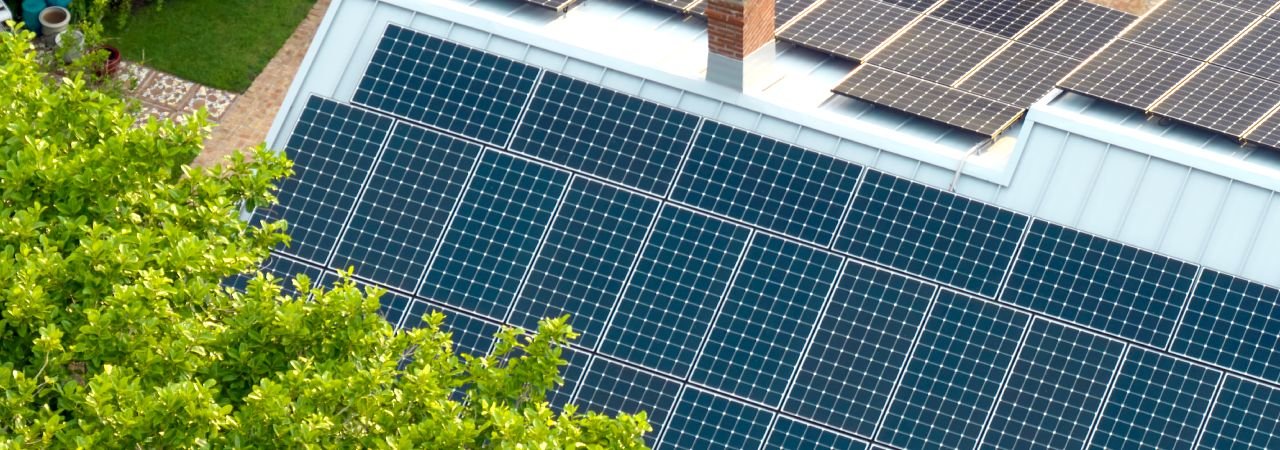
Learning how solar installation services work can help you feel more confident about your decision. Here’s a clear breakdown of the complete process followed by professional solar providers:
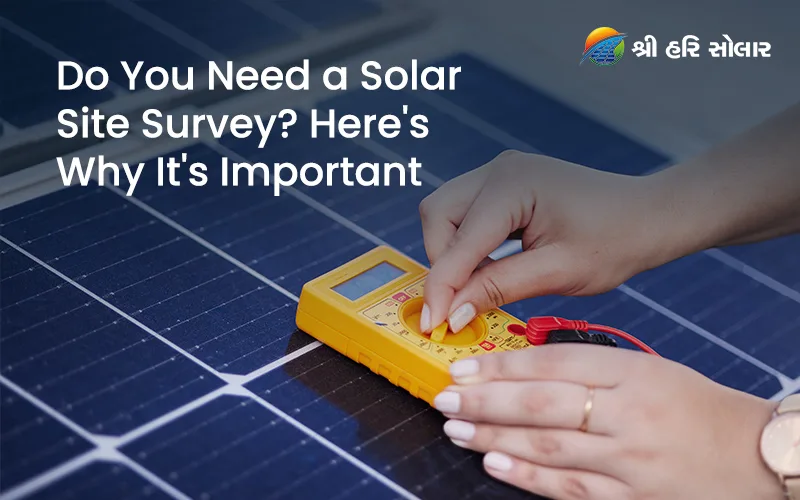
1. Site Assessment
The process of installing the solar system begins with a proper site analysis. A solar professional will survey the roof for the type of building, slope, amount of sunlight, and any shade from nearby buildings or trees. The findings will allow for the assessment of the amount of solar energy to be installed and a determination of its feasibility.
2. Custom Engineering Design
Based on the results of the site assessment, a customizable solar design is created that meets the location and electricity needs. The design covers solar panel placement and features system capacity, the choice of inverter, designing the mounting structure, and designing the whole system.
3. Regulatory Approvals & Permits
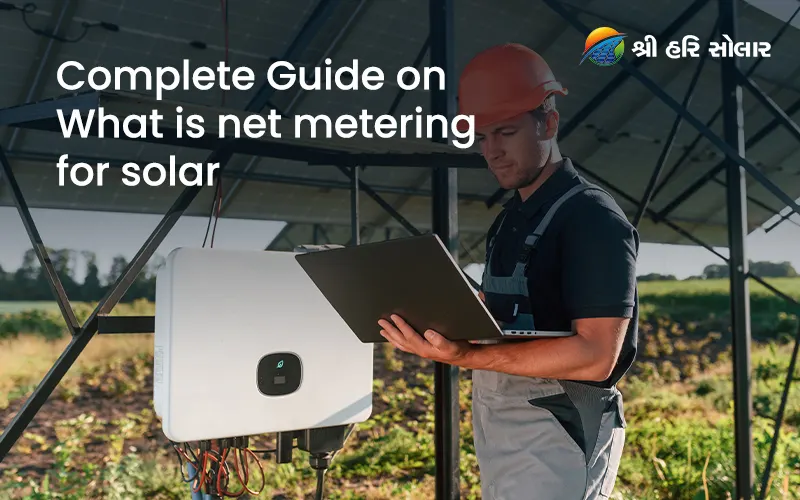
Before installation, all necessary approvals and documentation are obtained according to local electricity regulations. In the case of grid-connected solar power systems, applications are made to the relevant DISCOM for obtaining feasibility approval and for further net metering processes, which may be required.
4. Mounting Structure Installation
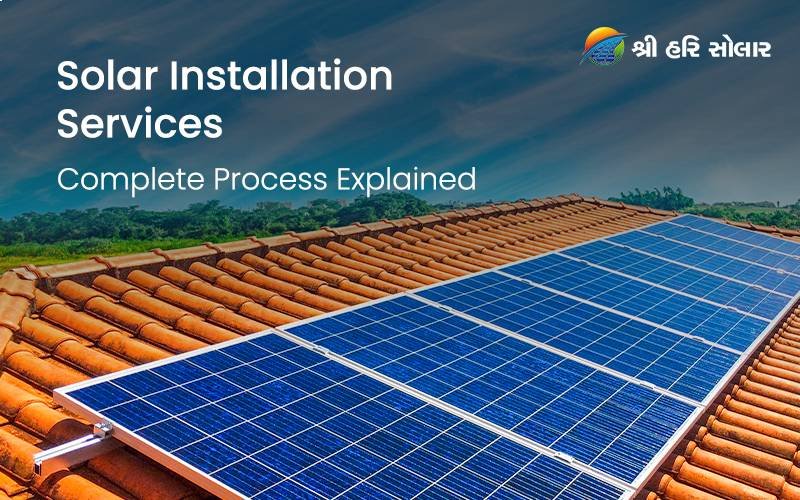
Once the approvals are complete, the installation team installs the mounting structure on the roof. The structure is firmly anchored down so the panels can be supported in such a way that the solar panels can have optimal tilt angles to optimize generation of solar energy.
5. Solar Panel Placement
The installed solar panels are fixed on the mounting structure according to the approved design. The arrangement of the panels is done in a way so that they are exposed to maximum sunlight without shading issues.
6. Electrical Wiring & Connection
7. Inverter Installation & Configuration
The inverter has been set up to change the DC electricity produced by the solar panels into AC electricity that can be used. The system has also been configured and assessed.
8. Testing & System Commissioning
9. Final Grid Inspection & Net Meter Installation
In the case of grid–connected solar installations, the utility company performs a final check to confirm compliance of the installation with required standards. Once the final inspection is complete and approval granted, the net meter is installed to enable the export of extra electricity to the grid.
10. Solar System Activation
Benefits of Professional Solar Installation Services
Getting solar panels installed by experts is a smart choice. Here’s why it helps:
- Right Design – Our experts help you choose the best solar panel for home and ensure your solar system is the right size for your home or business.
- Safe Installation – Trained workers install everything safely, so there is no risk of damage or accidents.
- Better Performance – A properly installed system produces more electricity and works efficiently.
- Follows Rules – Professionals follow all government rules and get the needed approvals.
- Long Life – Good installation helps your system last longer and work smoothly for many years.
How Much Does Solar Panel Installation Cost in Surat?
The cost of solar panel installation in Surat depends on the system size, solar panel quality, inverter type, installation structure, and subsidy eligibility. For a standard on-grid rooftop solar system, the average cost is around ₹55,000 to ₹75,000 per kW before subsidy.
Approximate Solar installation cost in Surat:
| Solar System Size | Approximate Cost Before Subsidy | Cost After PM Surya Ghar Subsidy* |
|---|---|---|
| 1 kW | ₹55,000 – ₹85,000 | ₹25,000 – ₹40,000 |
| 2 kW | ₹1,10,000 – ₹1,60,000 | ₹70,000 – ₹85,000 |
| 3 kW | ₹1,50,000 – ₹2,20,000 | ₹77,000 – ₹1,42,000 |
| 5 kW | ₹2,30,000 – ₹3,50,000 | ₹1,42,000 – ₹2,42,000 |
| 10 kW | ₹4,50,000 – ₹6,50,000 | ₹3,72,000 – ₹6,22,000 |
The PM Surya Ghar Muft Bijli Yojana subsidy can reduce the overall solar system installation cost for eligible residential customers. The subsidy amount depends on the installed capacity, with the maximum subsidy generally available for systems of 3 kW and above.
Choosing the Right Solar Installation Partner
Picking the right solar panel installation company is very important. A good company will make the whole process easy and stress-free.
Here’s what you should look for:
- Experienced team – Choose a company that has done many solar installations before.
- Good quality products – Make sure they use strong and reliable solar panels and parts.
- Clear pricing – The company should explain all costs clearly. There should be no hidden charges.
- After-sales support – They should help you even after the system is installed.
Conclusion
Solar energy is a smart and simple way to save money and help the environment. With good solar installation services, everything becomes simple from planning to setup and using it every day. Shree Hari Solar, a reliable Solar Company in Surat, provides trusted solutions for customers looking for solar panel installers near me and ensures your system works safely while delivering the best results. Going solar is a great choice for your home or business.
FAQs
1. What are Solar Installation Services?
Solar Installation Services help set up solar power systems for homes, businesses, and factories. These services include planning, providing the equipment, installing it, and taking care of it over time. They help produce clean energy and save money in the long run.
2. How long does it take to install a solar system?
The physical installation usually takes 2–5 days. However, including approvals and documentation, the complete process may take 2–4 weeks.
3. Is solar energy suitable for homes in Surat?
Yes, Surat receives abundant sunlight throughout the year, making it ideal for solar energy systems. Solar installation services help people save money on their electricity bills. They also make it easier for homeowners to produce their own energy and rely less on power from outside.
4. What maintenance is required after solar installation?
Solar systems require minimal maintenance. Regular cleaning of panels and periodic inspections ensure optimal performance and long lifespan.
5. Can solar panels work during power cuts?
Standard grid-tied systems shut down during power outages for safety reasons. However, adding battery storage can provide backup power during outages.